Transforming communities through rights-based advocacy, health systems strengthening, and people-centred programs across Kenya.
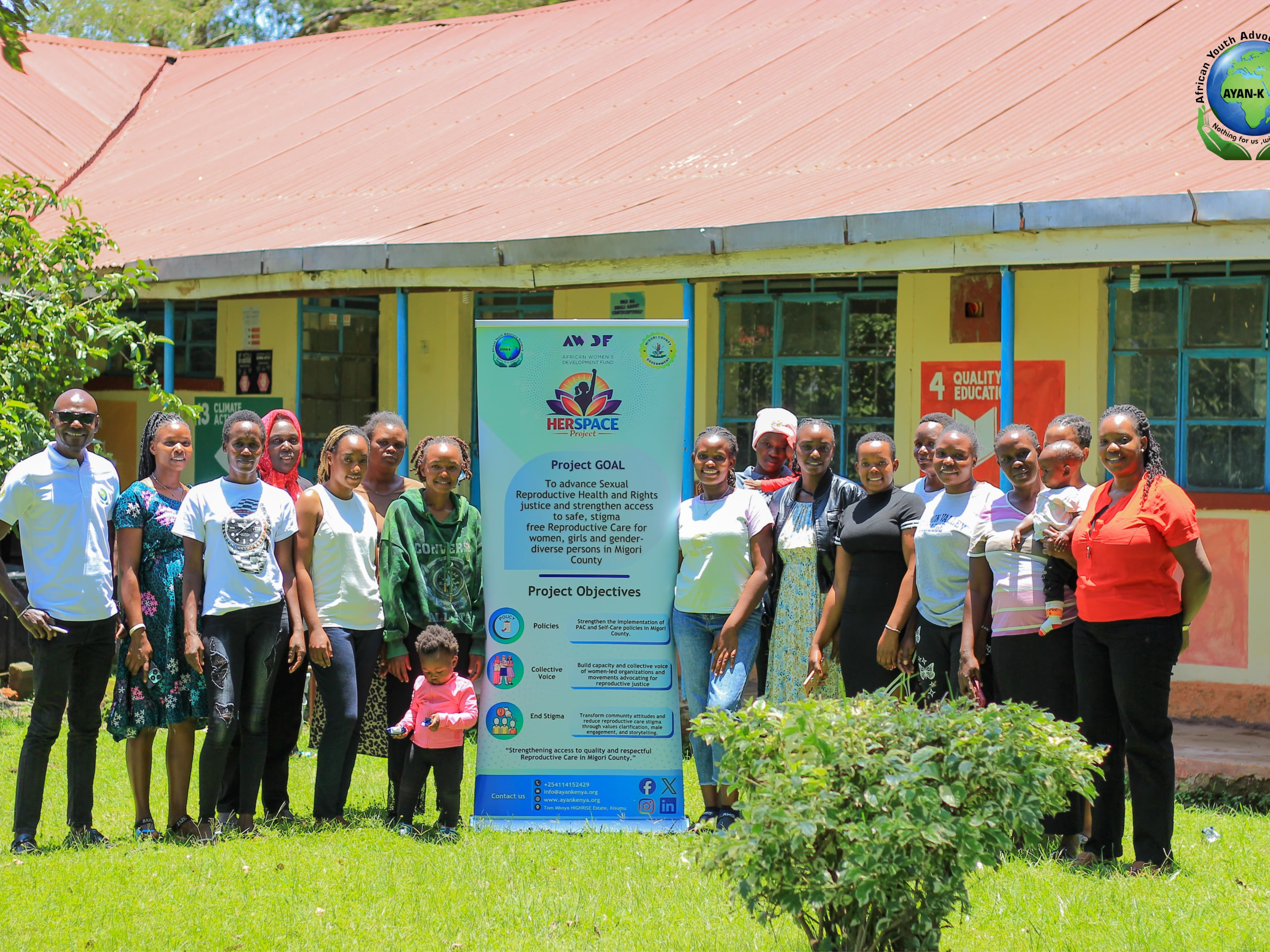 Migori County
HERSPACE Project
HERSPACE is a transformative initiative by AYAN Kenya designed to expand access to safe, dignified, and rights-based reproductive health services for adolescent girls, young women, and marginalized communities in Migori County.
The project focuses on strengthening both the health system and community environment to ensure that no woman or girl is left behind in accessing essential sexual and reproductive health and rights (SRHR) services—particularly post-abortion care (PAC) and self-care interventions.
At the health system level, HERSPACE equips public health facilities with essential commodities, including Manual Vacuum Aspiration (MVA) kits, while training healthcare providers on national guidelines for post-abortion care and reproductive health self-care. Through ongoing mentorship and supportive supervision, providers are empowered to deliver high-quality, stigma-free, and client-centered services.
At the community level, HERSPACE works to break the silence around reproductive health by engaging young people through peer-led dialogues, community forums, and digital campaigns. These platforms provide safe spaces for learning, sharing experiences, and challenging harmful myths and stigma surrounding abortion and bodily autonomy.
The project also strengthens advocacy and policy engagement, working closely with county health leadership to ensure that reproductive health policies are effectively implemented and integrated into local health systems.
HERSPACE represents AYAN Kenya's commitment to advancing reproductive justice, where every woman and girl can make informed choices about their body with dignity, safety, and support.
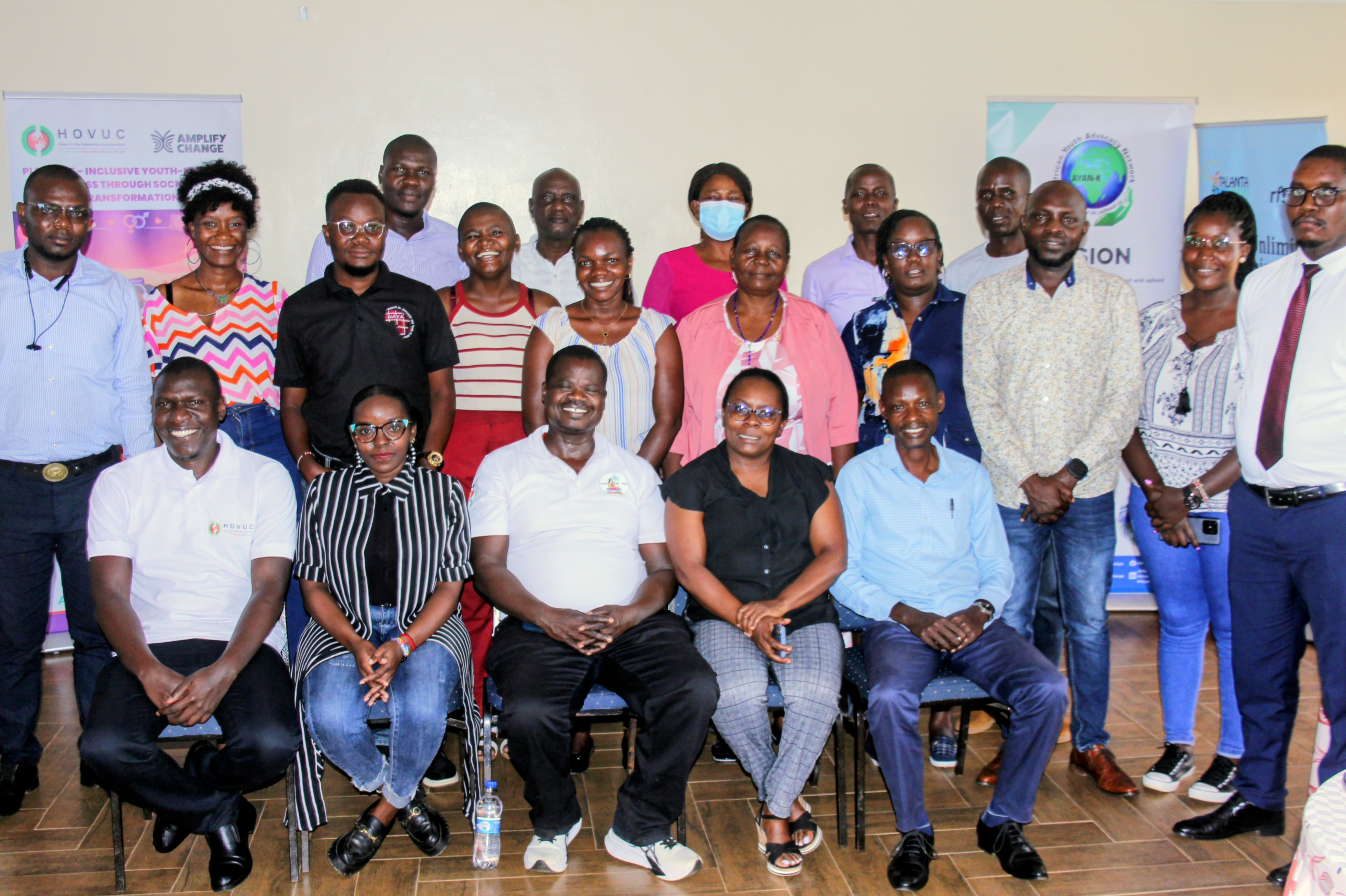 Kisumu County
Advocacy for Reproductive Care
Advocacy for Reproductive Care is a strategic initiative aimed at strengthening access to equitable, quality, and rights-based Sexual and Reproductive Health and Rights (SRHR) services through policy engagement, community mobilization, and health systems strengthening in Kisumu County.
The project focuses on influencing the development and implementation of the Kisumu County Sexual and Reproductive Healthcare Bill, 2026 to ensure it is constitutionally aligned, inclusive, and responsive to the needs of adolescents, young people, and marginalized communities.
Through a multi-level approach, the initiative:
Engages policymakers, health system actors, and civil society to strengthen governance, accountability, and sustainable financing for SRHR
Builds the capacity of community champions to support informed participation in policy processes and amplify community voices
Promotes access to critical services including Post-Abortion Care (PAC), Comprehensive Sexuality Education (CSE), and Youth-Friendly Services
Utilizes innovative approaches such as deep canvassing to foster empathy-driven dialogue and reduce stigma around SRHR issues
Kisumu County Sexual and Reproductive Healthcare Bill, 2026
By bridging the gap between communities and policy processes, Advocacy for Reproductive Care contributes to the development of a robust legal and health systems framework that advances dignity, health, and rights for all.
 AGYW & SGM Communities
Equality for Reproductive Care Access
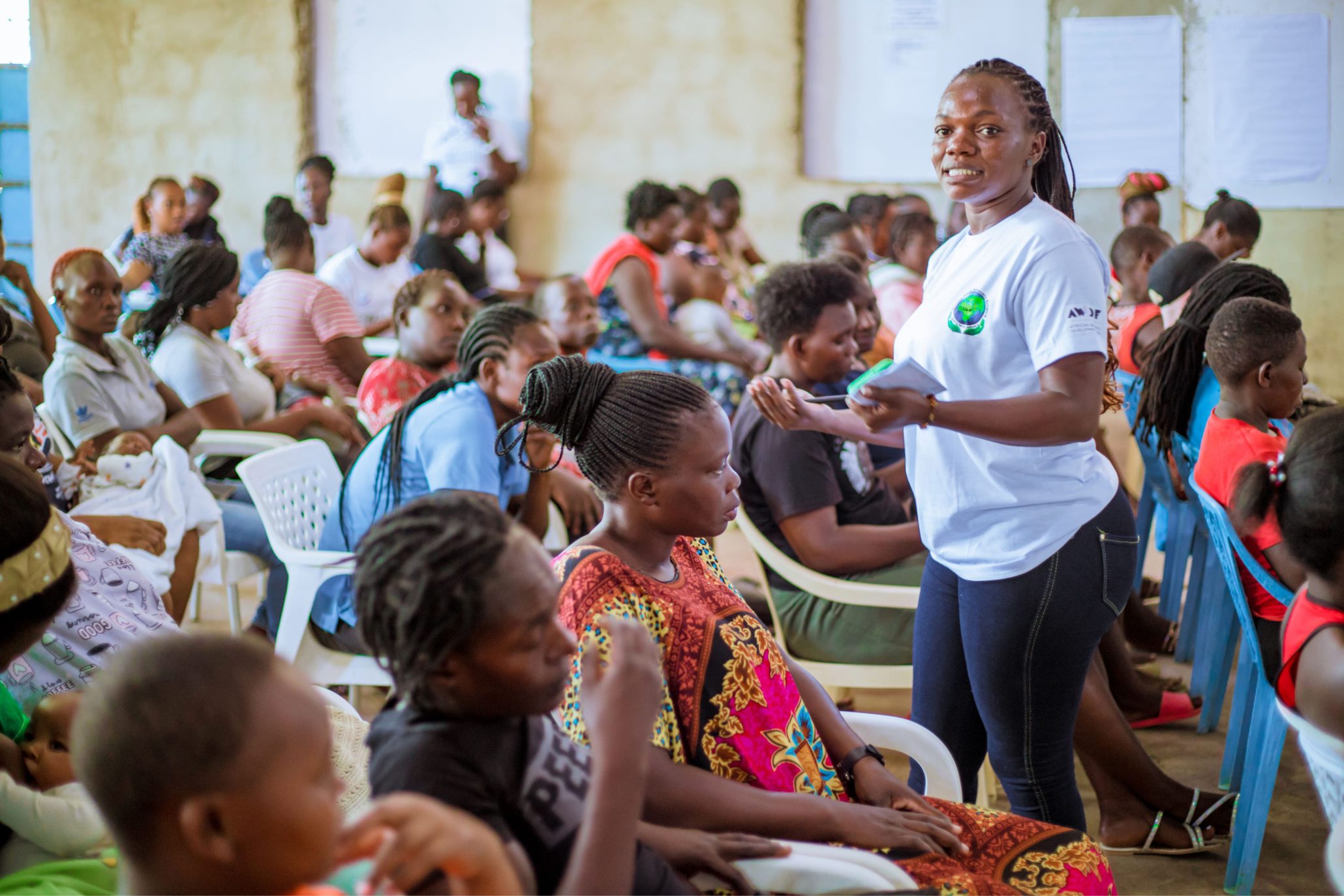
Equality for Reproductive Care Access is a flagship initiative by AYAN Kenya focused on advancing equitable, inclusive, and rights-based access to sexual and reproductive health services for marginalized communities, particularly Adolescent Girls and Young Women (AGYW) and Sexual and Gender Minorities (SGM).
Across many communities, access to reproductive healthcare remains limited by stigma, discrimination, policy gaps, and health systems that are not fully responsive to diverse needs. This project works to address these barriers by strengthening both community awareness and health system capacity, ensuring that services are accessible, safe, and delivered with dignity.
Through this initiative, AYAN Kenya combines community engagement, health systems strengthening, and policy advocacy to drive meaningful and lasting change. We work closely with healthcare providers to improve the quality and inclusivity of services, while also supporting access to essential care such as Post-Abortion Care (PAC) and broader SRHR services. At the community level, we facilitate dialogues that challenge stigma and harmful social norms, while creating safe spaces where individuals can access information, support, and referrals.
At the policy level, the project engages government stakeholders and partners to promote inclusive reproductive health policies, strengthen accountability, and ensure that marginalized voices are represented in decision-making processes.
Our approach is grounded in a people-centered, rights-based framework that recognizes communities not only as beneficiaries, but as active partners in shaping solutions. By integrating advocacy, service linkages, and community-led action, the project addresses both immediate access needs and long-term systemic change.
Through Equality for Reproductive Care Access, AYAN Kenya is increasing awareness and uptake of reproductive health services, strengthening inclusive health systems, and advancing policy and practice changes at the county level. Ultimately, the project contributes to building a more just and equitable healthcare system where everyone can access the care they need—free from stigma, discrimination, and barriers.
 3 Counties · 2023
We Are Because I Am (WABIA Project) – Homabay, Migori, and Kisumu Counties (2023)
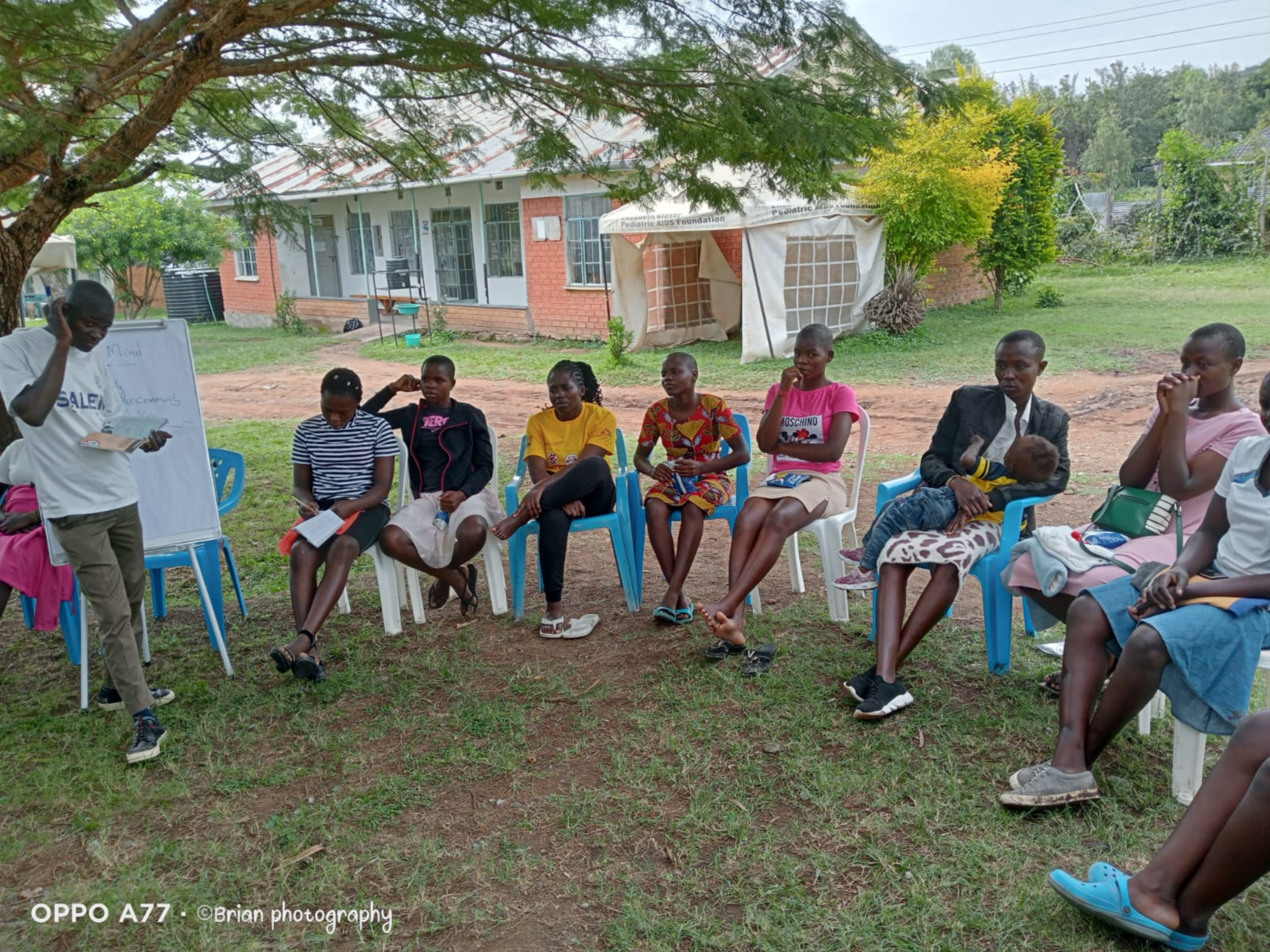
The We Are Because I Am (WABIA) Project reflects AYAN Kenya's commitment to building supportive, youth-centered environments where adolescents can access the sexual and reproductive health and rights (SRHR) services they need to thrive. Implemented in Homabay, Migori, and Kisumu Counties in 2023, the project addressed the often-sensitive issue of adolescent SRHR by creating safe spaces for dialogue, strengthening community support, and empowering adolescents to make informed choices about their health and futures.
WABIA recognized that many adolescents face stigma, misinformation, and barriers when seeking SRHR services. To counter this, the project trained Youth Peer Providers (YPPs) who acted as trusted messengers and service linkages for their peers. It also promoted community dialogues to foster openness, challenge harmful norms, and strengthen intergenerational support systems for young people.
Our Approach
Youth Peer Providers: Trained and supported adolescents to serve as advocates and connectors to youth-friendly SRHR services.
Community Dialogues: Engaged parents, caregivers, health workers, and local leaders in open discussions to build community ownership of adolescent SRHR.
Service Linkages: Facilitated direct access to adolescent-friendly SRHR services, including contraception and post-abortion care (PAC).
Rights-Based Approach: Promoted the right of every adolescent to access confidential, stigma-free, and quality SRHR information and services.
 Kisii County
Kisii GBV Prevention and Response Project
Building Safer Communities Through Dialogue, Action, and Collective Responsibility
AYAN Kenya successfully implemented the Kisii GBV Prevention and Response Project, a community-centered initiative aimed at preventing and responding to gender-based violence (GBV) across Kisii County. Grounded in a participatory and rights-based approach, the project mobilized young people, women leaders, elders, and local stakeholders to challenge harmful social norms, strengthen community accountability, and promote survivor-centered responses.
Recognizing that GBV is deeply rooted in social, cultural, and structural dynamics, the project adopted innovative and inclusive strategies to spark dialogue, shift attitudes, and inspire collective action.
Our Approach
Community Awareness & Advocacy: We facilitated digital dialogues, community forums, and targeted awareness campaigns to break the silence around GBV. These platforms enabled open, stigma-free conversations, increased knowledge on prevention and response pathways, and encouraged communities to take an active role in addressing violence.
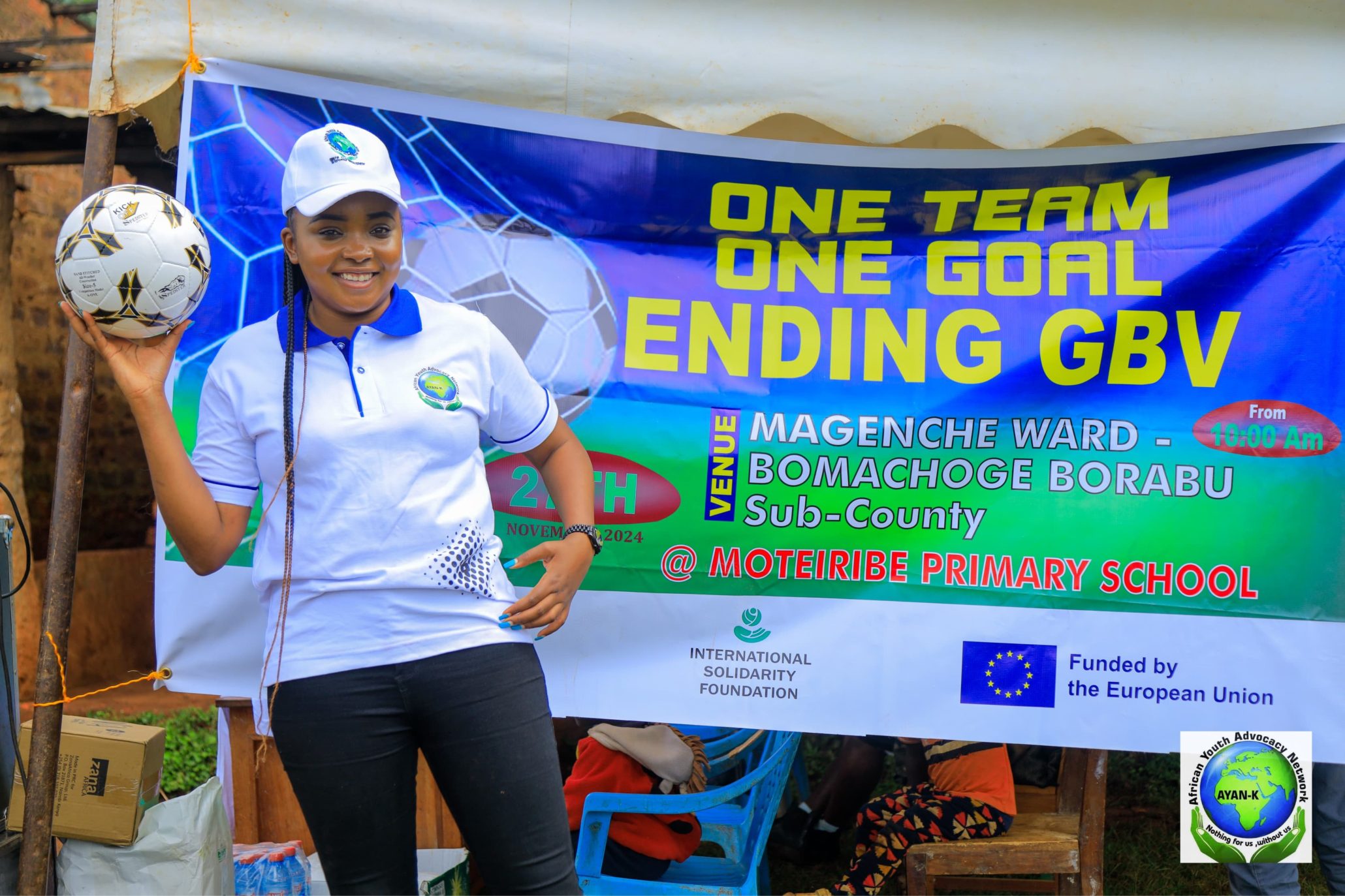
Sports for Social Change: Through a community football tournament under the theme "One Team, One Goal: Ending GBV," the project leveraged sports as a powerful tool for engagement. The tournament created an accessible and unifying platform to promote messages of respect, equality, and non-violence particularly among young people.
Intergenerational Dialogue: We convened safe and inclusive spaces where elders, youth, survivors, and women leaders engaged in honest conversations about cultural norms, power dynamics, and barriers to reporting and response. These dialogues fostered mutual understanding, challenged harmful traditions, and built shared commitments to ending GBV.
Capacity Strengthening & Partnerships: The project strengthened collaboration with local leaders, youth groups, and community stakeholders, enhancing their capacity to support survivor-centered approaches and sustain advocacy efforts beyond the project lifecycle.
 With Support from SIRI · 2023
Faith in Dialogue: Religious Leaders Forums on Inclusion – Migori, Kisumu, and Homabay
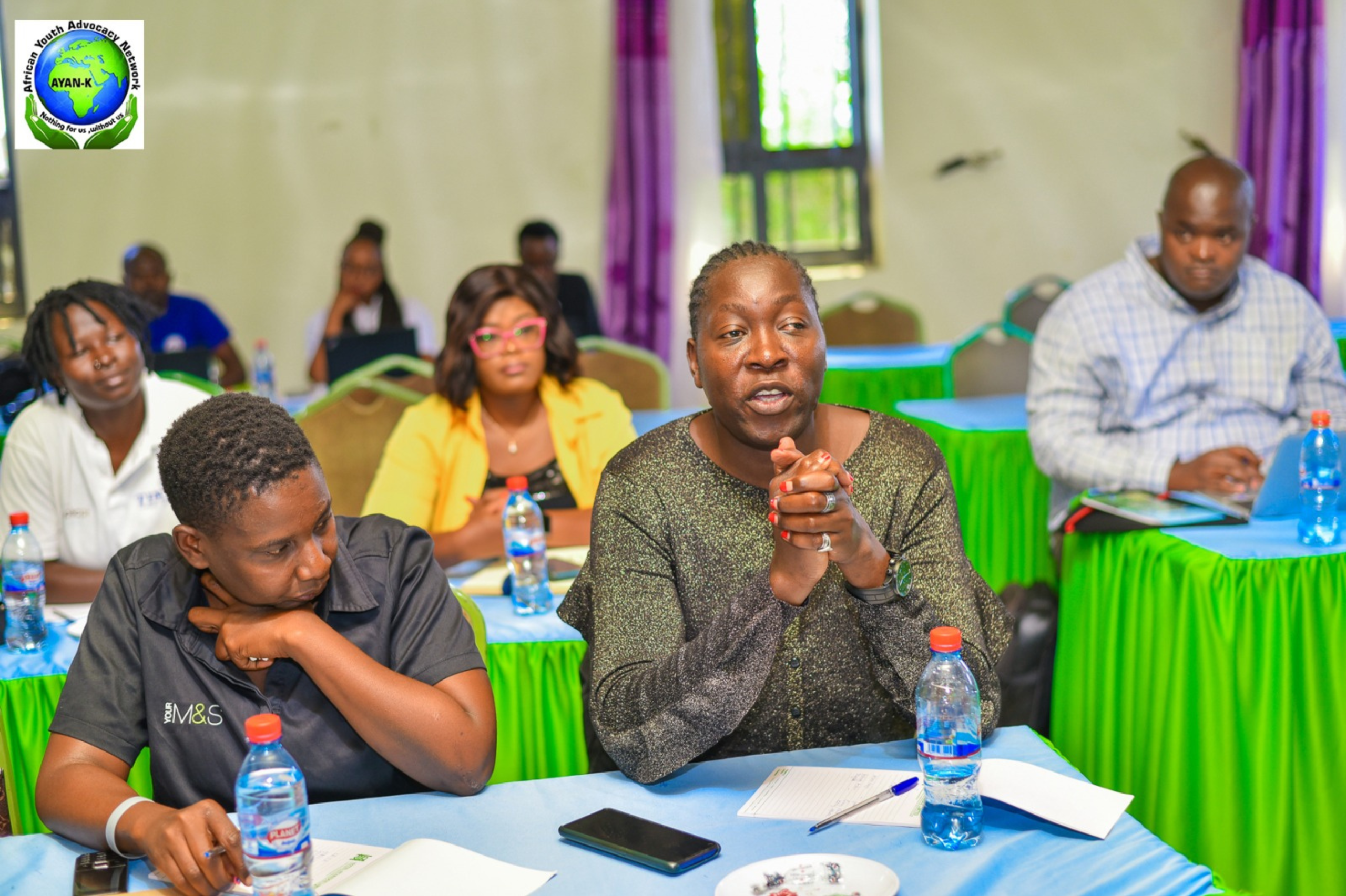
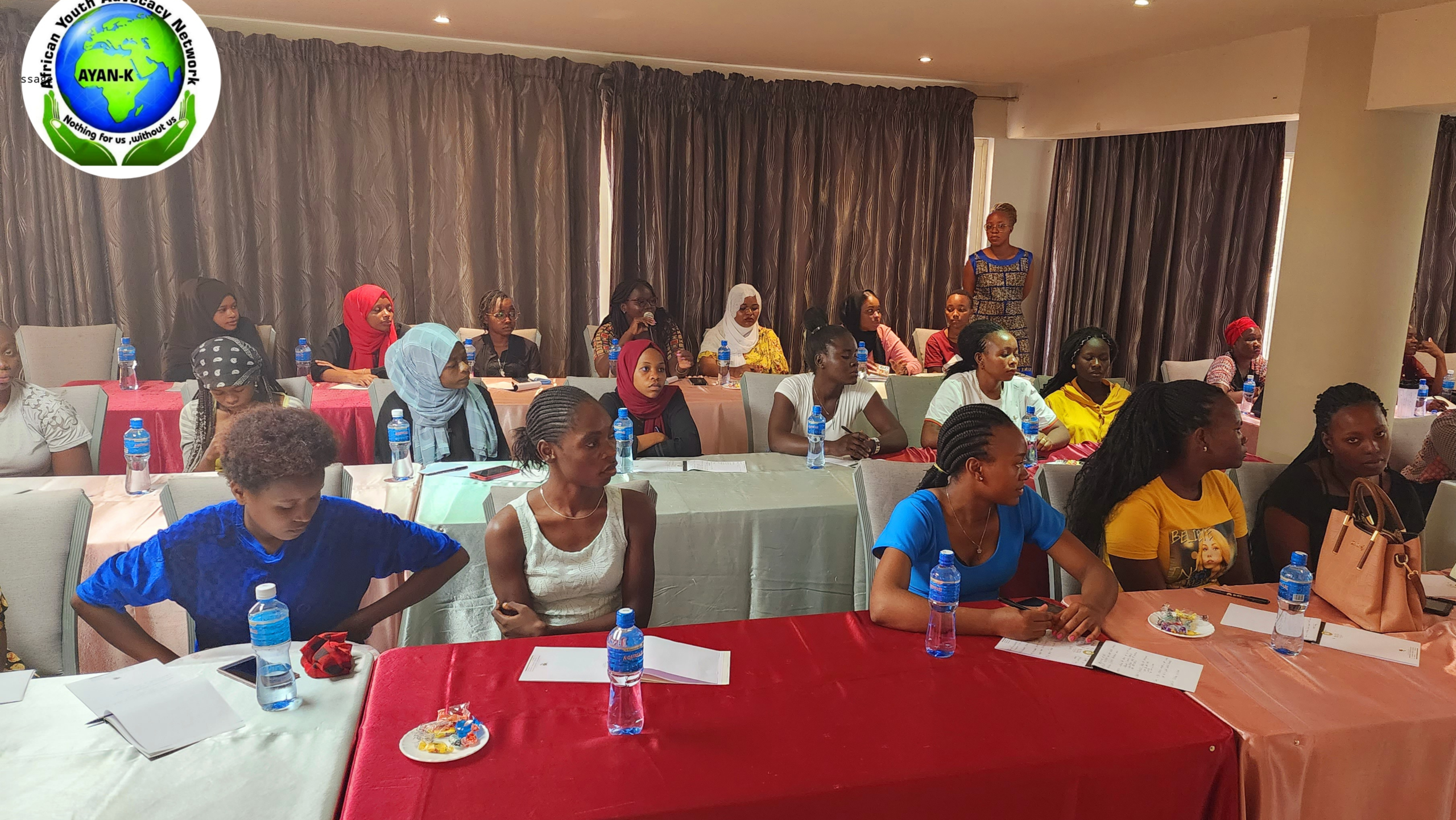
In 2023, at the height of rising anti-LGBTQ+ rhetoric in Kenya, AYAN Kenya recognized the urgent need to engage faith leaders—who play a powerful role in shaping public opinion, cultural norms, and community practices. With support from Strategic Issues and Research Issues (SIRI), AYAN Kenya organized three Religious Leaders Forums across Migori, Kisumu, and Homabay Counties.
These forums created safe, open spaces for dialogue with influential religious leaders to address misconceptions, reduce stigma, and promote tolerance, empathy, and respect for human rights in the context of sexual orientation and gender identity.
Our Approach
Faith-Based Dialogues: Facilitated structured conversations on SRHR, human rights, and inclusion within religious contexts.
Engagement Across Counties: Brought together diverse religious leaders from Christian, Muslim, and traditional faith backgrounds across Migori, Kisumu, and Homabay.
Myth-Busting and Evidence Sharing: Addressed harmful narratives around LGBTQ+ communities, replacing them with factual, rights-based perspectives.
Bridge-Building: Encouraged leaders to view inclusion not as a threat to faith, but as a pathway to compassion and justice for all community members.
Key Highlights (2023)
 2024 · 3 Counties
Digital Pathways to Reproductive Justice – Collaboration with Hesperian Health Guides
In 2024, AYAN Kenya partnered with Hesperian Health Guides to scale up access to accurate, reliable, and life-saving sexual and reproductive health and rights (SRHR) information. Together, we leveraged Hesperian's Safe Abortion App to reach women and girls across Kisumu, Migori, and Homabay Counties—especially those who are often excluded from formal health systems due to stigma, discrimination, or geographical barriers.
The Safe Abortion App provides discreet, evidence-based, and user-friendly information on contraception, pregnancy options, and safe abortion care. Through this partnership, AYAN Kenya ensured that women and girls in marginalized communities could make informed decisions about their bodies and futures, free from myths and misinformation.
Our Approach
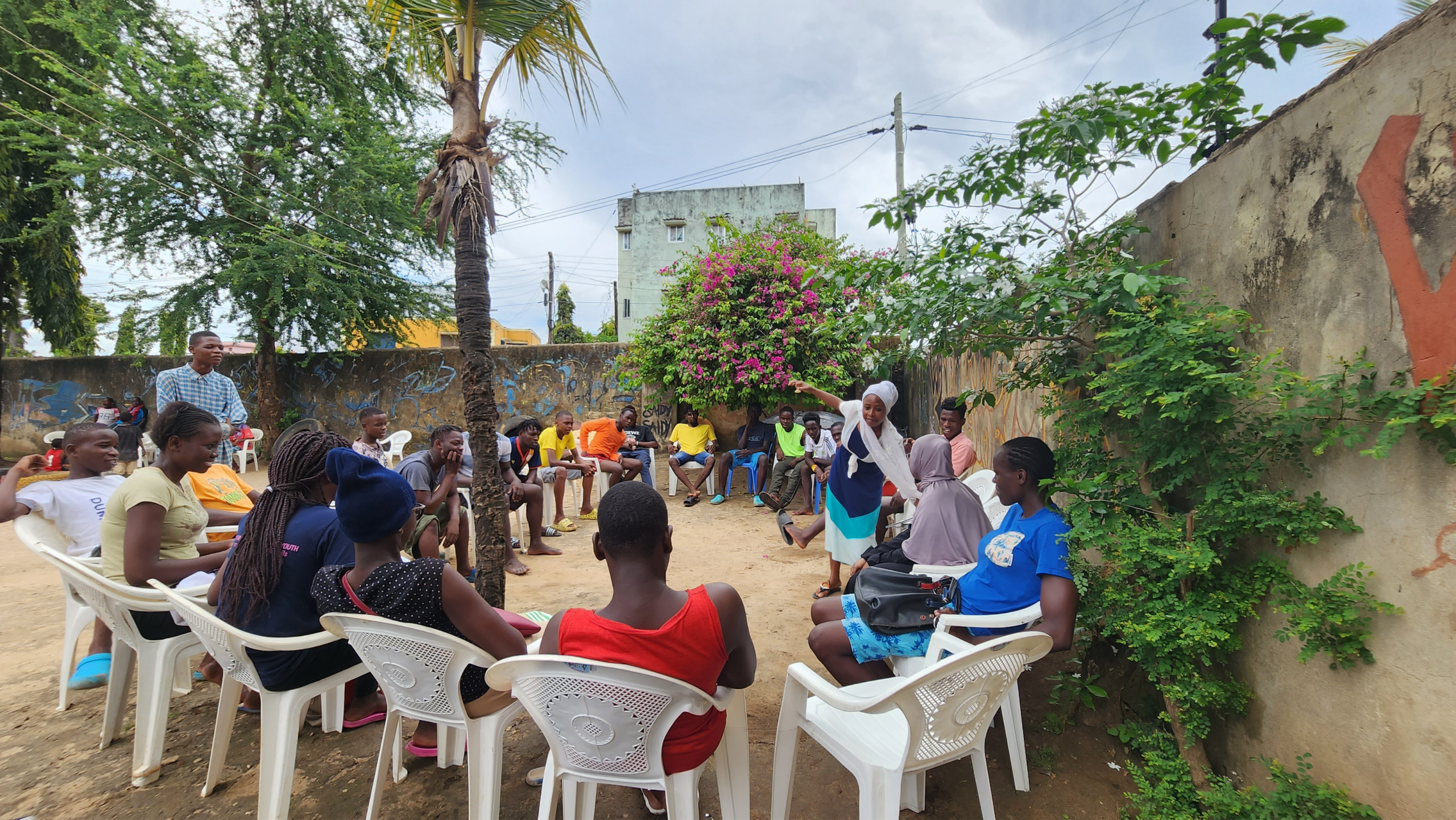
Digital Empowerment: Promoted and trained communities on the Safe Abortion App, enabling women and girls to privately access SRHR information at their fingertips.
Linkage to Services: Created referral pathways to connect app users with trusted health providers for contraception, post-abortion care (PAC), and comprehensive abortion care (CAC).
Community Outreach: Conducted community conversations and peer-provider sessions to normalize digital tools in advancing reproductive justice.
Stigma Reduction: Worked with local leaders, health workers, and youth peer educators to challenge harmful norms that prevent women from accessing care.
Key Achievements (2024)
 Partnership · 2024
We Are Purposeful Emergency Response Project
In 2024, AYAN Kenya partnered with We Are Purposeful to implement an Emergency Response Project designed to protect and empower marginalized women, girls, and sexual and gender minorities (SGM) in Migori, Kisumu and Homabay counties, These regions are disproportionately affected by heightened risk of violence, exploitation, and limited access to essential health services.
This project was designed as a flexible and rapid-response initiative to ensure that women, girls, and SGM communities are not left behind in times of crisis. By combining rights-based advocacy with direct service delivery, the project addressed urgent gaps in sexual and reproductive health and rights (SRHR) while also building long-term community resilience.
Our Approach
Lifesaving SRHR Services: We expanded access to contraception, safe abortion care, and post-abortion care, ensuring women and girls had access to safe, confidential, and quality services during emergencies.
Community Preparedness and Response Systems: Local health workers, youth peer providers, and community leaders were trained to integrate SRHR into humanitarian response efforts, ensuring that crisis response was holistic and inclusive.
Support for SGM Communities: We created safe and supportive spaces where SGM individuals could access tailored SRHR services free from stigma and discrimination.
Advocacy for Inclusive Response: We engaged county-level health and protection structures to mainstream gender-sensitive SRHR services into broader emergency response strategies.
 Community · 2022
Conversations 4 Change (C4C)
Reframing Narratives. Centering Lived Experiences. Building Community Power.
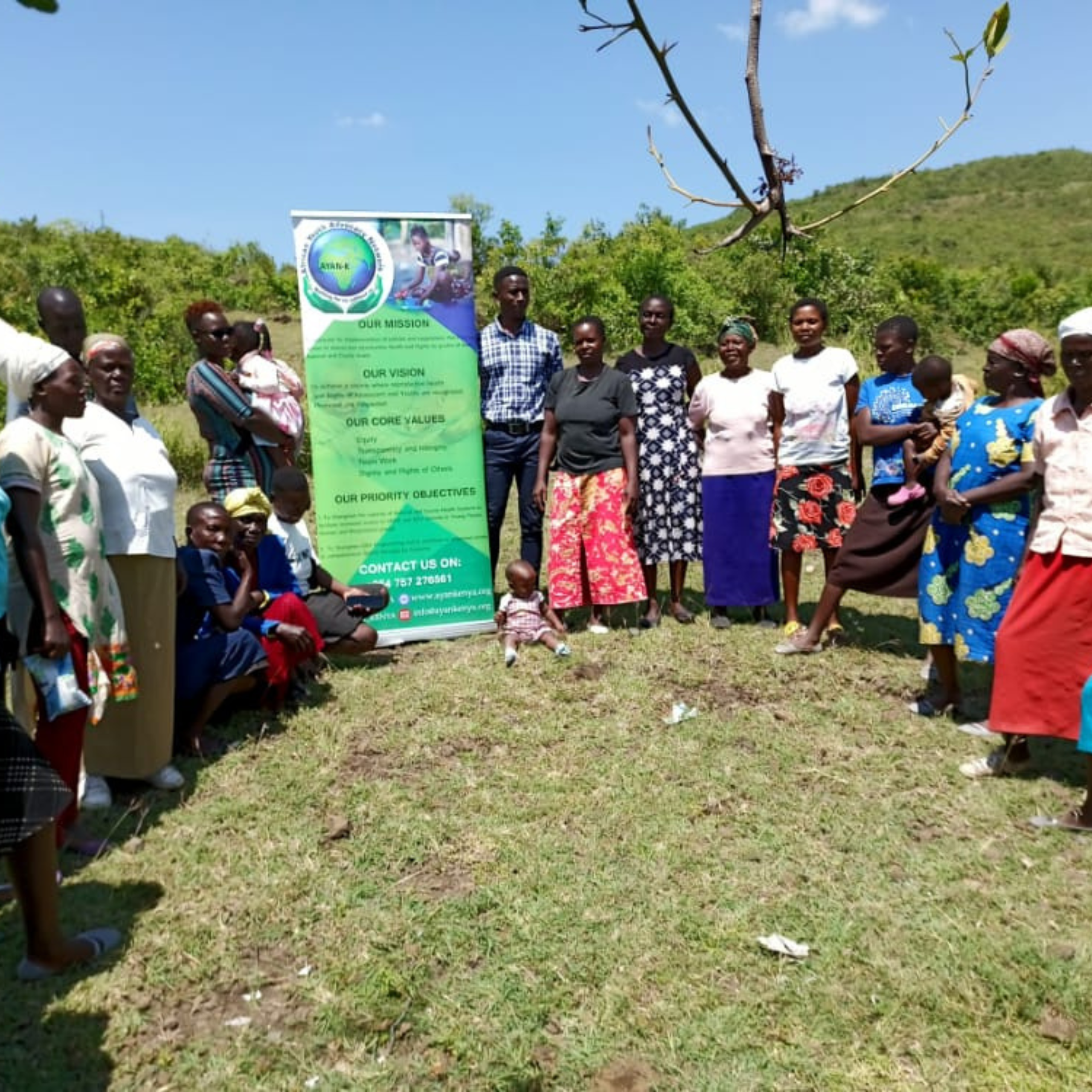
In 2022, AYAN Kenya implemented the Conversations 4 Change (C4C) initiative an innovative, community-driven advocacy project designed to shift harmful narratives around reproductive health and rights. Rooted in a belief that communities are not just beneficiaries but agents of change, C4C created safe, inclusive spaces where individuals could openly engage, reflect, and challenge deeply entrenched stigma.
The project strategically engaged diverse community cadres, including youth, women, gatekeepers, and grassroots influencers, through structured community calendar discussions. These engagements moved beyond conventional awareness approaches by introducing dialogue-based, experiential learning methods that emphasized empathy, listening, and storytelling.
At the heart of C4C was a powerful premise: real stories change minds. The project identified and amplified voices of individuals who had positive, informed, and empowering experiences with reproductive health choices. These lived experiences were carefully documented and shared within community forums to counter dominant narratives often shaped by fear, misinformation, and stigma.
Through these conversations, participants were encouraged to critically reflect on their own beliefs, engage with diverse perspectives, and gradually shift attitudes toward a more rights-affirming understanding of reproductive justice. This bottom-up approach fostered trust, built solidarity, and laid the groundwork for sustained community advocacy.
Beyond dialogue, C4C ensured that conversations translated into action. Participants were actively linked to essential Sexual and Reproductive Health and Rights (SRHR) services, strengthening the connection between awareness and access.
Impact
C4C contributed to a measurable shift in how communities perceive reproductive health and rights moving from silence and stigma toward openness, empathy, and informed decision-making. By centering lived experiences and fostering meaningful dialogue, the project strengthened grassroots advocacy and built momentum for a broader movement aimed at influencing policy and advancing reproductive justice.
Ultimately, Conversations 4 Change demonstrated that sustainable change begins within communities when people are given the space, tools, and confidence to question norms, share their truths, and collectively reimagine a more just and inclusive future.